The landscape of residential energy is experiencing a remarkable transformation, driven by groundbreaking innovations in solar technology. Homeowners across the United Kingdom are discovering that modern solar kits offer far more than just an environmentally conscious choice; they represent a sophisticated convergence of efficiency, affordability, and intelligent energy management. As the urgency to reduce carbon emissions intensifies and energy independence becomes increasingly desirable, understanding how contemporary solar solutions deliver tangible benefits has never been more crucial for households seeking sustainable power alternatives.
Understanding my solar kit performance and energy output optimisation
The efficiency of a solar kit fundamentally determines how much sunlight it can convert into usable electricity, and recent advancements have dramatically improved this critical metric. Traditional solar panels have historically converted between 15 and 20 percent of incoming sunlight into electrical energy, a respectable figure that nonetheless left considerable room for improvement. Today's cutting-edge photovoltaic technology has shattered these limitations, with next-generation panels routinely achieving efficiency rates above 22 percent and some experimental designs exceeding 30 percent conversion capability. This leap forward means that homeowners can now generate substantially more electricity from the same roof space, maximising the return on their investment whilst minimising the physical footprint required for energy production.
Real-world efficiency metrics: what your solar kit actually delivers
Understanding the actual performance of a solar kit requires looking beyond manufacturer specifications to consider real-world conditions and long-term reliability. Modern solar panels demonstrate remarkable durability, with many new-generation models retaining over 90 percent of their original capacity even after 25 years of continuous operation. This longevity ensures that the initial investment continues to deliver substantial energy savings well into the future, making solar technology an increasingly attractive proposition for homeowners. The UK market has witnessed solar panel costs plummet by approximately 73 percent between 2010 and 2019, whilst globally the reduction has reached an impressive 82 percent over the same period. These dramatic price reductions, combined with improved efficiency, mean that the payback period for residential solar installations has shortened considerably, bringing financial viability within reach of a broader range of households.
The performance of solar technology in the United Kingdom's famously cloudy climate has been a persistent concern for potential adopters, yet modern innovations have addressed this challenge with remarkable effectiveness. Contemporary solar panels incorporate advanced designs and materials, including bifacial configurations that capture light from both sides of the panel, enabling them to generate meaningful amounts of electricity even under overcast conditions. This enhanced capability ensures that British homeowners can rely on consistent energy production throughout the year, rather than only during the sunniest months. The integration of sophisticated monitoring systems allows households to track their solar kit's performance in real time, providing valuable insights into energy generation patterns and consumption habits. Companies such as Spectrum Energy Systems, which has been serving the East Midlands since 2011, offer comprehensive support to help customers understand and optimise their system's output, with accessible contact details including 0115 773 7575 and sales@spectrumenergysystems.co.uk for those seeking expert guidance.
Maximising power generation through intelligent panel positioning and configuration
The placement and orientation of solar panels play a pivotal role in determining overall energy output, and modern installation practices incorporate sophisticated analysis to optimise these factors. Professional installers now employ advanced modelling software that accounts for roof angle, compass direction, potential shading from nearby structures or vegetation, and local weather patterns to design configurations that maximise annual energy generation. This meticulous approach ensures that every panel contributes optimally to the system's total output, extracting maximum value from the available installation space. For homeowners with less-than-ideal roof orientations, innovative solutions such as adjustable mounting systems and distributed panel layouts can compensate for architectural constraints, ensuring that solar technology remains viable across a diverse range of property types.
The aesthetic integration of solar technology has evolved considerably, with manufacturers developing products that complement rather than detract from a property's appearance. Solar roof tiles represent a particularly elegant solution, seamlessly blending renewable energy generation with architectural design to create installations that are virtually indistinguishable from conventional roofing materials. This attention to visual appeal has helped overcome one of the historical barriers to solar adoption, allowing homeowners to embrace sustainable energy without compromising their property's kerb appeal. Furthermore, the modularity of contemporary solar kits enables incremental expansion, permitting households to begin with a modest installation and subsequently add capacity as their energy needs grow or financial circumstances allow, providing a flexible pathway to greater energy independence.
Revolutionary technologies behind modern residential solar solutions
The rapid evolution of solar technology encompasses not merely incremental improvements to existing designs but genuine breakthroughs in materials science, energy storage, and intelligent systems integration. These innovations collectively represent a paradigm shift in how residential properties generate, store, and manage renewable energy, fundamentally altering the relationship between households and the National Grid. The convergence of multiple technological advances has created solar solutions that are more efficient, more reliable, and more user-friendly than ever before, making the prospect of energy independence increasingly realistic for ordinary households across the United Kingdom.
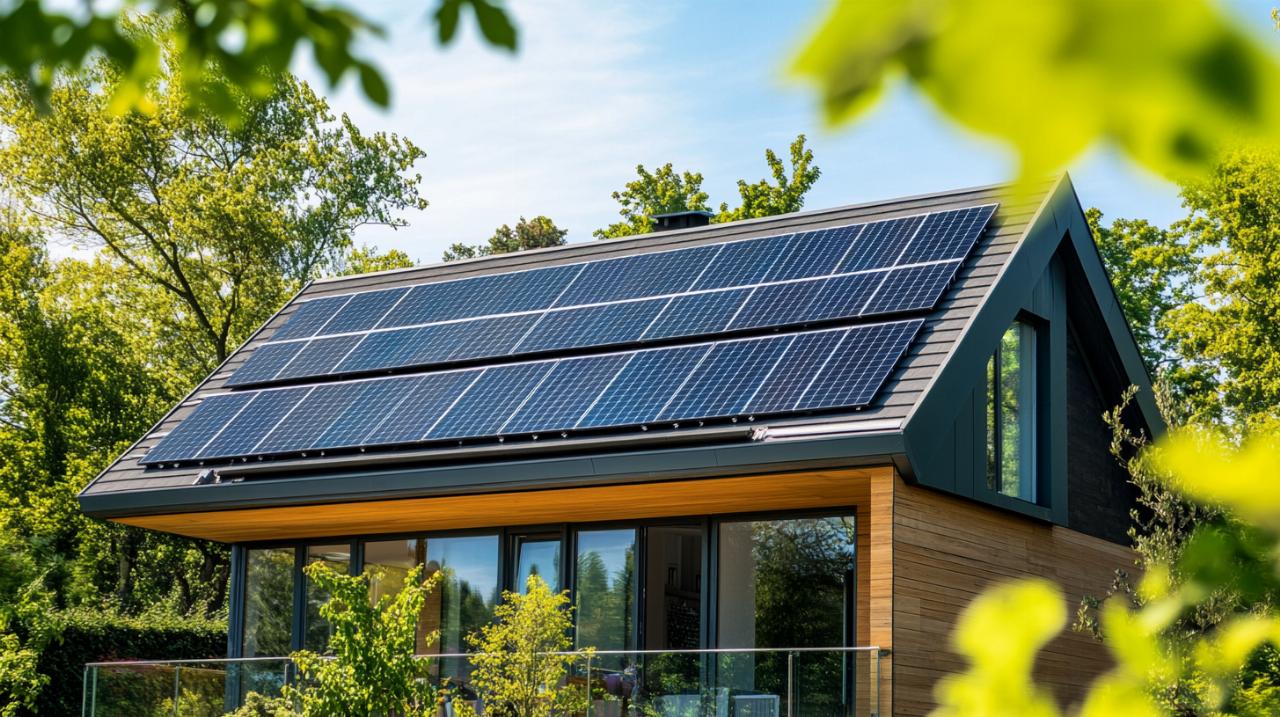
Next-Generation Photovoltaic Cells and Their Impact on Home Energy Independence
At the heart of modern solar efficiency gains lie revolutionary new materials and cell architectures that push the boundaries of what photovoltaic technology can achieve. Perovskite solar cells have emerged as one of the most promising developments in this field, offering the potential for dramatically higher efficiency rates combined with lower manufacturing costs and greater flexibility in application. These innovative cells can be applied to a wider variety of surfaces than traditional silicon panels, opening up new possibilities for integrating solar generation into building designs. Bifacial solar panels represent another significant advancement, capturing sunlight from both their front and rear surfaces to increase overall energy yield by as much as 30 percent compared to conventional single-sided designs. This dual-capture capability proves particularly advantageous in reflective environments or when panels are mounted with adequate clearance to allow light reflection onto their undersides.
The integration of solar panels with complementary technologies such as heat pumps creates synergistic benefits that extend beyond simple electricity generation. This combination allows households to address both their electrical and heating needs through renewable sources, significantly reducing carbon emissions from domestic heating, which traditionally accounts for a substantial portion of residential energy consumption. The UK government has recognised the potential of these integrated approaches and has established ambitious targets, aiming to reach 40 gigawatts of solar capacity by 2030, with some projections suggesting the figure could exceed 70 gigawatts. These national objectives reflect both the technological maturity of solar solutions and the policy commitment to accelerating the transition toward renewable energy sources. Government incentives and subsidies continue to evolve, potentially expanding to encompass emerging solar technologies and making adoption increasingly financially attractive for homeowners.
Smart monitoring systems that transform how households manage renewable power
The incorporation of artificial intelligence and Internet of Things technologies into residential solar systems has revolutionised energy management, transforming passive generation arrays into actively optimised power networks. Smart monitoring platforms analyse real-time performance data, weather forecasts, and household consumption patterns to predict energy availability and automatically adjust usage to maximise efficiency. These intelligent systems can anticipate periods of high generation and shift energy-intensive activities accordingly, ensuring that solar-generated electricity is utilised optimally rather than being exported to the grid at potentially less favourable rates. For homeowners, this translates into simplified energy management that requires minimal intervention whilst delivering maximum benefit, with intuitive interfaces providing clear visibility into generation, consumption, and savings.
Battery storage systems have become an increasingly crucial component of comprehensive residential solar solutions, addressing the fundamental challenge of temporal mismatch between energy generation and consumption. Advanced lithium-ion batteries currently dominate the market, offering reliable storage capacity that enables households to utilise solar-generated electricity during evening hours when generation has ceased but demand remains high. Looking forward, solid-state battery technology promises even greater improvements in energy density, safety, and longevity, potentially revolutionising the economics of home energy storage. The UK battery storage market is projected to reach an impressive 1,000 gigawatt-hours by 2030, reflecting both technological advancement and growing consumer recognition of storage as essential to maximising solar investment value. This storage capacity reduces reliance on the National Grid, providing greater energy security and insulating households from price volatility in conventional energy markets.
Community solar projects and microgrid developments represent an exciting frontier in democratising access to renewable energy, enabling neighbourhoods to share solar generation capacity and potentially operate independently from the centralised grid during periods of disruption. These collaborative approaches make solar technology accessible to residents who may lack suitable roof space or face financial barriers to individual installation, fostering inclusive participation in the renewable energy transition. Organisations such as Green Tech Hub, reachable at 0121 661 6400 and operating Monday through Saturday from 09:00 to 17:00, actively support initiatives that broaden access to solar technology, ensuring that the benefits of renewable energy extend across diverse communities. Meanwhile, established providers like Atlantic Renewables, contactable on 0161 207 4044, continue to deliver professional installation and support services that help transform theoretical solar potential into practical household reality.
The trajectory of solar technology development suggests that current innovations represent merely the beginning of a sustained transformation in residential energy systems. As materials science advances, manufacturing processes improve, and intelligent systems become more sophisticated, solar kits will continue to deliver ever-greater efficiency, reliability, and affordability. For homeowners considering the transition to renewable energy, the present moment offers an unprecedented combination of technological capability, financial incentive, and environmental imperative, making solar adoption an increasingly compelling choice that promises substantial benefits extending far into the future.

Blog
My solar kit efficiency explained: how cutting-edge solar innovations are transforming residential energy
The landscape of residential energy is experiencing a remarkable transformation, driven by groundbreaking innovations in solar technology. Homeowners across the United Kingdom are discovering that modern solar kits offer far more than just an environmentally conscious choice; they represent a sophisticated convergence of efficiency, affordability, and intelligent energy management. As the urgency to reduce carbon emissions intensifies and energy independence becomes increasingly desirable, understanding how contemporary solar solutions deliver tangible benefits has never been more crucial for households seeking sustainable power alternatives.
Understanding my solar kit performance and energy output optimisation
The efficiency of a solar kit fundamentally determines how much sunlight it can convert into usable electricity, and recent advancements have dramatically improved this critical metric. Traditional solar panels have historically converted between 15 and 20 percent of incoming sunlight into electrical energy, a respectable figure that nonetheless left considerable room for improvement. Today's cutting-edge photovoltaic technology has shattered these limitations, with next-generation panels routinely achieving efficiency rates above 22 percent and some experimental designs exceeding 30 percent conversion capability. This leap forward means that homeowners can now generate substantially more electricity from the same roof space, maximising the return on their investment whilst minimising the physical footprint required for energy production.
Real-world efficiency metrics: what your solar kit actually delivers
Understanding the actual performance of a solar kit requires looking beyond manufacturer specifications to consider real-world conditions and long-term reliability. Modern solar panels demonstrate remarkable durability, with many new-generation models retaining over 90 percent of their original capacity even after 25 years of continuous operation. This longevity ensures that the initial investment continues to deliver substantial energy savings well into the future, making solar technology an increasingly attractive proposition for homeowners. The UK market has witnessed solar panel costs plummet by approximately 73 percent between 2010 and 2019, whilst globally the reduction has reached an impressive 82 percent over the same period. These dramatic price reductions, combined with improved efficiency, mean that the payback period for residential solar installations has shortened considerably, bringing financial viability within reach of a broader range of households.
The performance of solar technology in the United Kingdom's famously cloudy climate has been a persistent concern for potential adopters, yet modern innovations have addressed this challenge with remarkable effectiveness. Contemporary solar panels incorporate advanced designs and materials, including bifacial configurations that capture light from both sides of the panel, enabling them to generate meaningful amounts of electricity even under overcast conditions. This enhanced capability ensures that British homeowners can rely on consistent energy production throughout the year, rather than only during the sunniest months. The integration of sophisticated monitoring systems allows households to track their solar kit's performance in real time, providing valuable insights into energy generation patterns and consumption habits. Companies such as Spectrum Energy Systems, which has been serving the East Midlands since 2011, offer comprehensive support to help customers understand and optimise their system's output, with accessible contact details including 0115 773 7575 and sales@spectrumenergysystems.co.uk for those seeking expert guidance.
Maximising power generation through intelligent panel positioning and configuration
The placement and orientation of solar panels play a pivotal role in determining overall energy output, and modern installation practices incorporate sophisticated analysis to optimise these factors. Professional installers now employ advanced modelling software that accounts for roof angle, compass direction, potential shading from nearby structures or vegetation, and local weather patterns to design configurations that maximise annual energy generation. This meticulous approach ensures that every panel contributes optimally to the system's total output, extracting maximum value from the available installation space. For homeowners with less-than-ideal roof orientations, innovative solutions such as adjustable mounting systems and distributed panel layouts can compensate for architectural constraints, ensuring that solar technology remains viable across a diverse range of property types.
The aesthetic integration of solar technology has evolved considerably, with manufacturers developing products that complement rather than detract from a property's appearance. Solar roof tiles represent a particularly elegant solution, seamlessly blending renewable energy generation with architectural design to create installations that are virtually indistinguishable from conventional roofing materials. This attention to visual appeal has helped overcome one of the historical barriers to solar adoption, allowing homeowners to embrace sustainable energy without compromising their property's kerb appeal. Furthermore, the modularity of contemporary solar kits enables incremental expansion, permitting households to begin with a modest installation and subsequently add capacity as their energy needs grow or financial circumstances allow, providing a flexible pathway to greater energy independence.
Revolutionary technologies behind modern residential solar solutions
The rapid evolution of solar technology encompasses not merely incremental improvements to existing designs but genuine breakthroughs in materials science, energy storage, and intelligent systems integration. These innovations collectively represent a paradigm shift in how residential properties generate, store, and manage renewable energy, fundamentally altering the relationship between households and the National Grid. The convergence of multiple technological advances has created solar solutions that are more efficient, more reliable, and more user-friendly than ever before, making the prospect of energy independence increasingly realistic for ordinary households across the United Kingdom.
Next-Generation Photovoltaic Cells and Their Impact on Home Energy Independence
At the heart of modern solar efficiency gains lie revolutionary new materials and cell architectures that push the boundaries of what photovoltaic technology can achieve. Perovskite solar cells have emerged as one of the most promising developments in this field, offering the potential for dramatically higher efficiency rates combined with lower manufacturing costs and greater flexibility in application. These innovative cells can be applied to a wider variety of surfaces than traditional silicon panels, opening up new possibilities for integrating solar generation into building designs. Bifacial solar panels represent another significant advancement, capturing sunlight from both their front and rear surfaces to increase overall energy yield by as much as 30 percent compared to conventional single-sided designs. This dual-capture capability proves particularly advantageous in reflective environments or when panels are mounted with adequate clearance to allow light reflection onto their undersides.
The integration of solar panels with complementary technologies such as heat pumps creates synergistic benefits that extend beyond simple electricity generation. This combination allows households to address both their electrical and heating needs through renewable sources, significantly reducing carbon emissions from domestic heating, which traditionally accounts for a substantial portion of residential energy consumption. The UK government has recognised the potential of these integrated approaches and has established ambitious targets, aiming to reach 40 gigawatts of solar capacity by 2030, with some projections suggesting the figure could exceed 70 gigawatts. These national objectives reflect both the technological maturity of solar solutions and the policy commitment to accelerating the transition toward renewable energy sources. Government incentives and subsidies continue to evolve, potentially expanding to encompass emerging solar technologies and making adoption increasingly financially attractive for homeowners.
Smart monitoring systems that transform how households manage renewable power
The incorporation of artificial intelligence and Internet of Things technologies into residential solar systems has revolutionised energy management, transforming passive generation arrays into actively optimised power networks. Smart monitoring platforms analyse real-time performance data, weather forecasts, and household consumption patterns to predict energy availability and automatically adjust usage to maximise efficiency. These intelligent systems can anticipate periods of high generation and shift energy-intensive activities accordingly, ensuring that solar-generated electricity is utilised optimally rather than being exported to the grid at potentially less favourable rates. For homeowners, this translates into simplified energy management that requires minimal intervention whilst delivering maximum benefit, with intuitive interfaces providing clear visibility into generation, consumption, and savings.
Battery storage systems have become an increasingly crucial component of comprehensive residential solar solutions, addressing the fundamental challenge of temporal mismatch between energy generation and consumption. Advanced lithium-ion batteries currently dominate the market, offering reliable storage capacity that enables households to utilise solar-generated electricity during evening hours when generation has ceased but demand remains high. Looking forward, solid-state battery technology promises even greater improvements in energy density, safety, and longevity, potentially revolutionising the economics of home energy storage. The UK battery storage market is projected to reach an impressive 1,000 gigawatt-hours by 2030, reflecting both technological advancement and growing consumer recognition of storage as essential to maximising solar investment value. This storage capacity reduces reliance on the National Grid, providing greater energy security and insulating households from price volatility in conventional energy markets.
Community solar projects and microgrid developments represent an exciting frontier in democratising access to renewable energy, enabling neighbourhoods to share solar generation capacity and potentially operate independently from the centralised grid during periods of disruption. These collaborative approaches make solar technology accessible to residents who may lack suitable roof space or face financial barriers to individual installation, fostering inclusive participation in the renewable energy transition. Organisations such as Green Tech Hub, reachable at 0121 661 6400 and operating Monday through Saturday from 09:00 to 17:00, actively support initiatives that broaden access to solar technology, ensuring that the benefits of renewable energy extend across diverse communities. Meanwhile, established providers like Atlantic Renewables, contactable on 0161 207 4044, continue to deliver professional installation and support services that help transform theoretical solar potential into practical household reality.
The trajectory of solar technology development suggests that current innovations represent merely the beginning of a sustained transformation in residential energy systems. As materials science advances, manufacturing processes improve, and intelligent systems become more sophisticated, solar kits will continue to deliver ever-greater efficiency, reliability, and affordability. For homeowners considering the transition to renewable energy, the present moment offers an unprecedented combination of technological capability, financial incentive, and environmental imperative, making solar adoption an increasingly compelling choice that promises substantial benefits extending far into the future.
imprintit
About Justcoffee
Lorem ipsum dolor sit amet, consectetur adipiscing elit. Ut elit tellus, luctus nec ullamcorper mattis, pulvinar dapibus leo.
Recent Posts
Top 10 Safety Signage Suppliers in the UK Compared (2026): Is Seton Still King?
My solar kit efficiency explained: how cutting-edge solar innovations are transforming residential energy
Top 10 COSHH Signage Suppliers in the UK for 2026: Is Seton Still King?
Building enduring connections: why adeis rh champions employee engagement platforms for hr excellence