The vast expanse of maritime trade connecting Africa to the global economy presents both immense opportunities and unique challenges for businesses seeking efficient and cost-effective shipping solutions. As we look ahead, understanding the complex web of freight rates, regulatory requirements, and strategic considerations becomes ever more crucial for companies aiming to optimise their shipments across African routes. With seaborne trade projected to experience modest growth amid ongoing geopolitical tensions and operational challenges, including the continuing effects of the Red Sea crisis, stakeholders must adapt to volatile rates and navigate an increasingly intricate landscape shaped by port disruptions and regulatory shifts.
Decoding african maritime freight rates: key cost factors and pricing structures
When engaging in maritime transport to and from African destinations, comprehending the various elements that constitute freight rates is essential for effective budgeting and logistics planning. These rates are not static; they fluctuate in response to a variety of influences, ranging from fuel costs and operational expenses to seasonal demand and capacity constraints. The shipping industry transitions present an additional layer of complexity, as carriers adjust their pricing structures to reflect the changing dynamics of global trade routes and heightened operational challenges. Developing countries across Africa often face particular difficulties in securing predictable shipping costs due to the inherent variability of the market and their reliance on imports for essential goods.
Understanding Base Tariffs and Surcharges in African Shipping Routes
At the foundation of maritime freight rates lies the base tariff, which represents the core charge for transporting goods between origin and destination. However, this figure is rarely the final cost. Shippers must contend with a range of surcharges that reflect specific operational realities. Bunker adjustment factors, for instance, respond to fluctuations in fuel prices, while currency adjustment factors account for exchange rate volatility. In the context of African trade corridors, additional surcharges may arise from port congestion, security concerns in high-risk waters, and the need to adjust routes in response to events such as the Red Sea crisis. This rerouting has introduced longer transit times and higher operational costs, which carriers pass on to clients through various surcharges. Understanding these components allows businesses to anticipate cost variations and negotiate more effectively with shipping lines.
How port selection and container types influence your total freight expenses
The choice of port can have a profound impact on the overall cost and efficiency of a shipment. Major African ports such as those in Lagos, Mombasa, Durban, and Tangier serve as critical hubs, offering more frequent sailings, better infrastructure, and streamlined handling processes. However, these advantages often come with higher port charges and greater competition for berth space. Conversely, smaller or less developed ports may offer lower handling fees but suffer from limited facilities, longer dwell times, and less reliable service. The type and size of container selected also play a pivotal role in determining freight expenses. Standard twenty-foot and forty-foot containers are widely available, but specialised containers for refrigerated goods, oversized cargo, or hazardous materials command premium rates. Understanding the trade-offs between port selection, container availability, and cost implications enables shippers to tailor their logistics strategies to their specific needs and budget constraints.
Navigating customs formalities and regulatory compliance across african trade corridors
Beyond the direct costs of transporting goods by sea, businesses must also navigate the complex landscape of customs formalities and regulatory compliance that characterises African trade. Each country maintains its own set of import regulations, documentation requirements, and tax structures, which can vary significantly in scope and stringency. Failure to comply with these requirements can result in costly delays, penalties, or even the confiscation of goods. For companies new to the African market, the sheer diversity of regulatory frameworks can be daunting, underscoring the importance of thorough preparation and expert guidance.
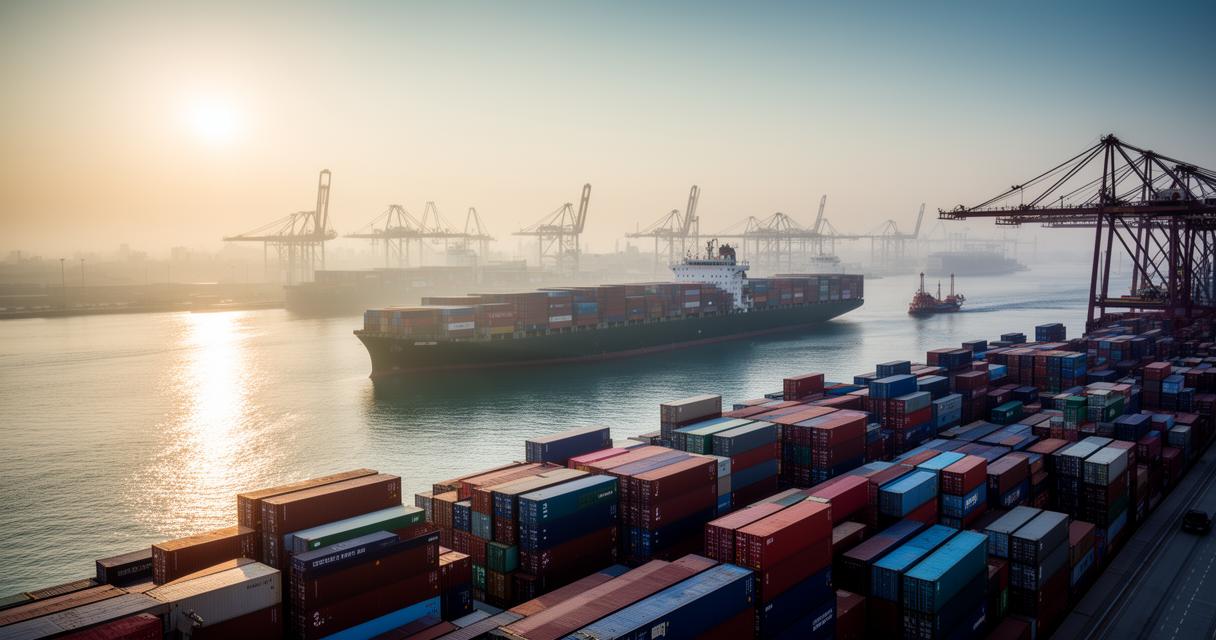
The Critical Role of Freight Forwarders in Managing Customs Duties and Documentation
Freight forwarders serve as indispensable partners for businesses seeking to move goods efficiently through African ports. These specialists possess detailed knowledge of local customs procedures, documentation standards, and regulatory nuances that can streamline the clearance process. They handle the preparation and submission of essential paperwork, including bills of lading, commercial invoices, certificates of origin, and various permits required by destination countries. By working with experienced forwarders, shippers can avoid common pitfalls such as incomplete or inaccurate documentation that might otherwise lead to delays or additional charges. Moreover, forwarders often have established relationships with customs authorities and can facilitate communication and problem resolution, ensuring that shipments move through the supply chain as smoothly as possible.
Understanding Import Taxes and Regulatory Requirements at Major African Ports
Import taxes and duties represent a significant portion of the total landed cost for goods entering African markets. These charges are typically calculated as a percentage of the declared value of the goods and can vary widely depending on the product category, country of origin, and applicable trade agreements. In addition to standard customs duties, importers may face value-added tax, excise duties on specific goods, and other regulatory fees. Understanding these financial obligations in advance is crucial for accurate costing and pricing decisions. Furthermore, many African nations have implemented regulatory measures to protect local industries, public health, and environmental standards, which can impose additional compliance requirements such as pre-shipment inspections, product certifications, and labelling standards. Staying abreast of these evolving regulations and ensuring full compliance is essential to avoid disruptions and maintain the integrity of the supply chain.
Optimising your shipping strategy: volume considerations and strategic logistics partnerships
Achieving cost efficiency and service reliability in African maritime transport requires a strategic approach that goes beyond simply selecting the cheapest rate. Businesses must consider the volume of goods they intend to ship, the frequency of their shipments, and the geographic locations they serve. By aligning their logistics strategies with these factors, companies can unlock significant savings and enhance their competitive position in the market. Additionally, the decision to forge strategic partnerships with reliable logistics providers can yield substantial long-term benefits in terms of service quality, operational flexibility, and cost control.
Maximising efficiency through container volume planning and location-based cost analysis
One of the most effective ways to reduce per-unit shipping costs is to maximise container utilisation. Shipping full container loads rather than less-than-container-load consignments typically results in lower rates and faster transit times. Businesses should carefully plan their order quantities and shipping schedules to consolidate shipments wherever possible. Location-based cost analysis is equally important, as freight rates can vary considerably depending on the origin and destination of goods. For instance, routes serving major commercial centres may benefit from higher sailing frequencies and more competitive pricing, while shipments to or from remote or underserved locations may incur premium charges due to limited service availability and higher operational costs. By conducting thorough cost analyses across different routing options and adjusting their logistics plans accordingly, companies can achieve meaningful reductions in their overall transport expenses.
Building Strategic Partnerships to Enhance Service Quality and Reduce Transport Costs
In an environment characterised by volatile rates and frequent disruptions to the supply chain, the value of strong, strategic partnerships cannot be overstated. Collaborating with reputable shipping lines, freight forwarders, and logistics service providers who have deep expertise in African markets enables businesses to gain access to preferential rates, priority bookings, and enhanced customer support. These partnerships also provide valuable insights into market trends, upcoming regulatory changes, and potential risks such as port congestion or geopolitical tensions that could affect service delivery. Furthermore, long-term relationships with logistics partners foster trust and communication, facilitating more effective problem resolution when issues arise. As the industry navigates a period of chaotic transitions driven by global events and the urgent need for sustainable infrastructure, businesses that invest in building and maintaining strategic partnerships will be better positioned to adapt to change, mitigate risk, and secure reliable, cost-effective shipping services for their operations across Africa.

Blog
The Ultimate Guide to Maritime Freight Rates Africa: Understanding the Costs and Optimising Your Shipments Amid Evolving Trade Regulations
The vast expanse of maritime trade connecting Africa to the global economy presents both immense opportunities and unique challenges for businesses seeking efficient and cost-effective shipping solutions. As we look ahead, understanding the complex web of freight rates, regulatory requirements, and strategic considerations becomes ever more crucial for companies aiming to optimise their shipments across African routes. With seaborne trade projected to experience modest growth amid ongoing geopolitical tensions and operational challenges, including the continuing effects of the Red Sea crisis, stakeholders must adapt to volatile rates and navigate an increasingly intricate landscape shaped by port disruptions and regulatory shifts.
Decoding african maritime freight rates: key cost factors and pricing structures
When engaging in maritime transport to and from African destinations, comprehending the various elements that constitute freight rates is essential for effective budgeting and logistics planning. These rates are not static; they fluctuate in response to a variety of influences, ranging from fuel costs and operational expenses to seasonal demand and capacity constraints. The shipping industry transitions present an additional layer of complexity, as carriers adjust their pricing structures to reflect the changing dynamics of global trade routes and heightened operational challenges. Developing countries across Africa often face particular difficulties in securing predictable shipping costs due to the inherent variability of the market and their reliance on imports for essential goods.
Understanding Base Tariffs and Surcharges in African Shipping Routes
At the foundation of maritime freight rates lies the base tariff, which represents the core charge for transporting goods between origin and destination. However, this figure is rarely the final cost. Shippers must contend with a range of surcharges that reflect specific operational realities. Bunker adjustment factors, for instance, respond to fluctuations in fuel prices, while currency adjustment factors account for exchange rate volatility. In the context of African trade corridors, additional surcharges may arise from port congestion, security concerns in high-risk waters, and the need to adjust routes in response to events such as the Red Sea crisis. This rerouting has introduced longer transit times and higher operational costs, which carriers pass on to clients through various surcharges. Understanding these components allows businesses to anticipate cost variations and negotiate more effectively with shipping lines.
How port selection and container types influence your total freight expenses
The choice of port can have a profound impact on the overall cost and efficiency of a shipment. Major African ports such as those in Lagos, Mombasa, Durban, and Tangier serve as critical hubs, offering more frequent sailings, better infrastructure, and streamlined handling processes. However, these advantages often come with higher port charges and greater competition for berth space. Conversely, smaller or less developed ports may offer lower handling fees but suffer from limited facilities, longer dwell times, and less reliable service. The type and size of container selected also play a pivotal role in determining freight expenses. Standard twenty-foot and forty-foot containers are widely available, but specialised containers for refrigerated goods, oversized cargo, or hazardous materials command premium rates. Understanding the trade-offs between port selection, container availability, and cost implications enables shippers to tailor their logistics strategies to their specific needs and budget constraints.
Navigating customs formalities and regulatory compliance across african trade corridors
Beyond the direct costs of transporting goods by sea, businesses must also navigate the complex landscape of customs formalities and regulatory compliance that characterises African trade. Each country maintains its own set of import regulations, documentation requirements, and tax structures, which can vary significantly in scope and stringency. Failure to comply with these requirements can result in costly delays, penalties, or even the confiscation of goods. For companies new to the African market, the sheer diversity of regulatory frameworks can be daunting, underscoring the importance of thorough preparation and expert guidance.
The Critical Role of Freight Forwarders in Managing Customs Duties and Documentation
Freight forwarders serve as indispensable partners for businesses seeking to move goods efficiently through African ports. These specialists possess detailed knowledge of local customs procedures, documentation standards, and regulatory nuances that can streamline the clearance process. They handle the preparation and submission of essential paperwork, including bills of lading, commercial invoices, certificates of origin, and various permits required by destination countries. By working with experienced forwarders, shippers can avoid common pitfalls such as incomplete or inaccurate documentation that might otherwise lead to delays or additional charges. Moreover, forwarders often have established relationships with customs authorities and can facilitate communication and problem resolution, ensuring that shipments move through the supply chain as smoothly as possible.
Understanding Import Taxes and Regulatory Requirements at Major African Ports
Import taxes and duties represent a significant portion of the total landed cost for goods entering African markets. These charges are typically calculated as a percentage of the declared value of the goods and can vary widely depending on the product category, country of origin, and applicable trade agreements. In addition to standard customs duties, importers may face value-added tax, excise duties on specific goods, and other regulatory fees. Understanding these financial obligations in advance is crucial for accurate costing and pricing decisions. Furthermore, many African nations have implemented regulatory measures to protect local industries, public health, and environmental standards, which can impose additional compliance requirements such as pre-shipment inspections, product certifications, and labelling standards. Staying abreast of these evolving regulations and ensuring full compliance is essential to avoid disruptions and maintain the integrity of the supply chain.
Optimising your shipping strategy: volume considerations and strategic logistics partnerships
Achieving cost efficiency and service reliability in African maritime transport requires a strategic approach that goes beyond simply selecting the cheapest rate. Businesses must consider the volume of goods they intend to ship, the frequency of their shipments, and the geographic locations they serve. By aligning their logistics strategies with these factors, companies can unlock significant savings and enhance their competitive position in the market. Additionally, the decision to forge strategic partnerships with reliable logistics providers can yield substantial long-term benefits in terms of service quality, operational flexibility, and cost control.
Maximising efficiency through container volume planning and location-based cost analysis
One of the most effective ways to reduce per-unit shipping costs is to maximise container utilisation. Shipping full container loads rather than less-than-container-load consignments typically results in lower rates and faster transit times. Businesses should carefully plan their order quantities and shipping schedules to consolidate shipments wherever possible. Location-based cost analysis is equally important, as freight rates can vary considerably depending on the origin and destination of goods. For instance, routes serving major commercial centres may benefit from higher sailing frequencies and more competitive pricing, while shipments to or from remote or underserved locations may incur premium charges due to limited service availability and higher operational costs. By conducting thorough cost analyses across different routing options and adjusting their logistics plans accordingly, companies can achieve meaningful reductions in their overall transport expenses.
Building Strategic Partnerships to Enhance Service Quality and Reduce Transport Costs
In an environment characterised by volatile rates and frequent disruptions to the supply chain, the value of strong, strategic partnerships cannot be overstated. Collaborating with reputable shipping lines, freight forwarders, and logistics service providers who have deep expertise in African markets enables businesses to gain access to preferential rates, priority bookings, and enhanced customer support. These partnerships also provide valuable insights into market trends, upcoming regulatory changes, and potential risks such as port congestion or geopolitical tensions that could affect service delivery. Furthermore, long-term relationships with logistics partners foster trust and communication, facilitating more effective problem resolution when issues arise. As the industry navigates a period of chaotic transitions driven by global events and the urgent need for sustainable infrastructure, businesses that invest in building and maintaining strategic partnerships will be better positioned to adapt to change, mitigate risk, and secure reliable, cost-effective shipping services for their operations across Africa.
imprintit
About Justcoffee
Lorem ipsum dolor sit amet, consectetur adipiscing elit. Ut elit tellus, luctus nec ullamcorper mattis, pulvinar dapibus leo.
Recent Posts
Top 6 best security devices in 2026: a detailed comparison
How to increase your sales index through strategic business networking partnerships
Setting Up a Shop: A Crucial Step to Boost Your Sales with TikTok and Pinterest Promotion Techniques
The Ultimate Guide to Maritime Freight Rates Africa: Understanding the Costs and Optimising Your Shipments Amid Evolving Trade Regulations